
The Sustainable Impact Behind One Metre of Luxury Leukeather
How Leukeather Links Luxury Material Design to Ecological Regeneration
One square metre of Leukeather represents far more than material value alone. It embodies regeneration, biodiversity and a forward-thinking approach to luxury design, one that extends well beyond surface aesthetics. As a UAE-based luxury sustainable leather alternative, Leukeather demonstrates how material innovation can be aligned with broader environmental responsibility, creating value that is both tangible and long-lasting.
Rather than existing in isolation, each square metre is part of a wider ecological narrative. The material becomes a symbol of how design, when approached with intention, can participate in nature-positive systems rather than depleting them. This perspective reframes luxury materials as contributors to regeneration rather than passive resources.
The Miracle Tree Foundation
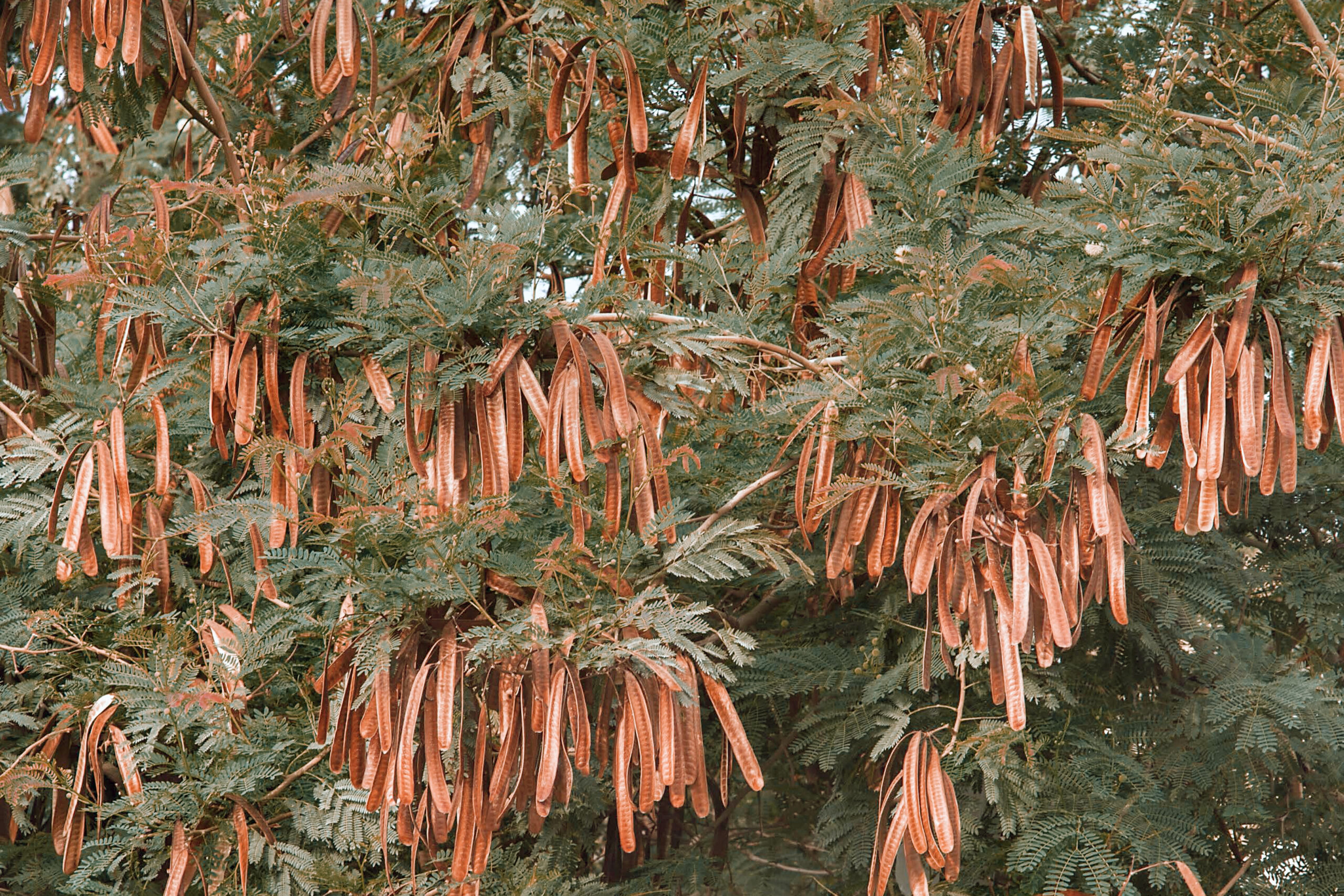
The botanical source used in Leukeather enriches soil, supports surrounding ecosystems and thrives in arid climates. Its resilience allows it to exist in challenging environments while contributing positively to ecological balance. These characteristics make it a strong foundation for regenerative material sourcing and responsible long-term environmental stewardship.
By relying on a source that supports ecosystem health, Leukeather aligns luxury material production with natural cycles, reinforcing the idea that high-end design can coexist with environmental care rather than compromise it.
6,000 Trees From a Single Square Metre
A single square metre of Leukeather contains approximately 350 pods, each holding around 18 seeds, amounting to nearly 6,000 potential new trees. This figure establishes a powerful conceptual connection between material creation and future regeneration.
Rather than viewing material output as an endpoint, this relationship highlights continuity, where one finished surface carries the possibility of renewal far beyond its immediate application. It transforms a unit of material into a narrative of growth, potential and long-term impact.
A Material That Gives Back
Unlike extractive or resource-intensive luxury materials, Leukeather carries inherent regenerative potential. Its production model reflects a shift toward materials that contribute positively rather than merely minimise harm.
This regenerative dimension positions Leukeather as a meaningful alternative for designers and brands seeking to align luxury with responsibility, without sacrificing performance, refinement or visual depth.
Choosing Leukeather supports regeneration alongside innovation, redefining what luxury materials can represent in a changing world.
Discover how your next project can integrate nature-positive luxury materials today.