
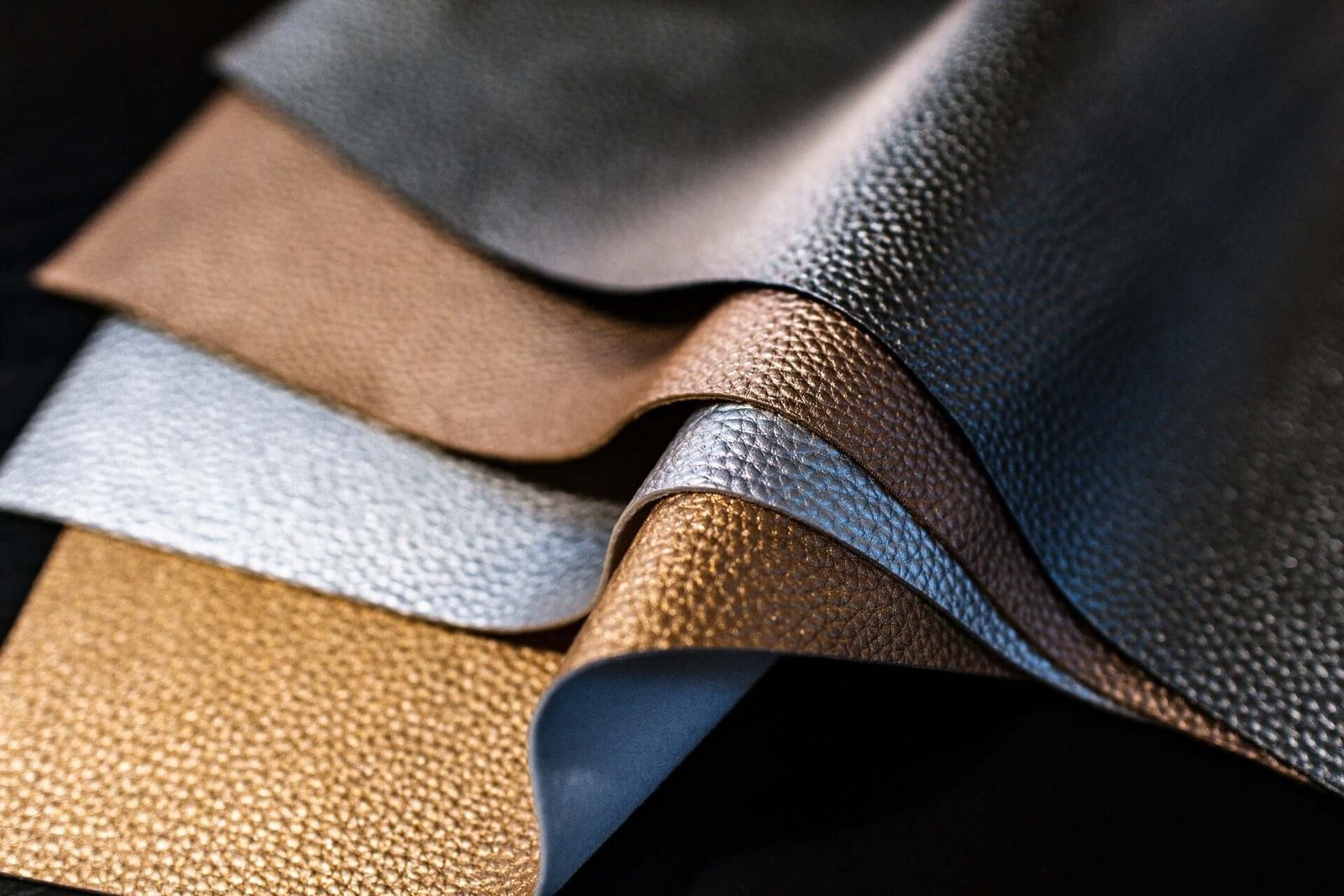
Why “Alternative Leather” Is Only the Beginning for New Materials
When a new material enters the market, the easiest way to explain it is often through comparison.
Is it an alternative to leather? Does it look like leather? Can it replace leather?
These questions are understandable, but they can limit the conversation.
Leukeather offers an opportunity to ask a more interesting question: what can a new material become when it is allowed to develop its own identity?
The Problem With Comparison
Comparing every new material with an established material creates a fixed benchmark.
But innovation rarely works that way.
The most important materials in history did not simply replace what came before. They created new possibilities.
Leukeather should therefore be considered not only in relation to leather, but as part of a wider movement toward innovative, plant-based material systems.
Creating a New Material Identity
Leukeather brings together:
- Plant-based origins
- Advanced material science
- Distinctive aesthetics
- Design versatility
- Luxury positioning
These characteristics create an identity beyond simple substitution.
The material can be used because of what it is, rather than only because of what it replaces.
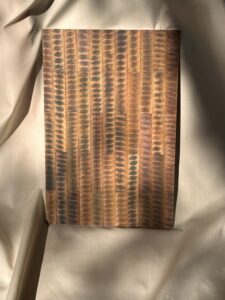
New Materials Create New Design Thinking
When designers work with an emerging material, they are not restricted to established conventions.
They can experiment with:
- New forms
- New product categories
- New textures
- New construction methods
- New relationships between material and object
This is where material innovation becomes design innovation.
Looking Forward Instead of Backward
The question should not always be:
“Can this replace leather?”
It can also be:
“What could we create if we had never started with leather?”
That shift opens a much broader creative conversation.
Leukeather’s future is therefore not defined solely by the materials that came before it, but by the new possibilities it can create.